
Watches are more than just a stylish accessory; they can be essential tools, particularly when it comes to water resistance. Whether you're a seasoned diver, an athlete, or simply someone who doesn't want to worry about their watch during every day activities, at Brufords, our range of water resistance testing services ensure that your timepiece is perfectly equipped to handle any environment.
Learn More
What "Water Resistance" Means
The water resistance of a watch refers to its ability to withstand exposure to water under specific conditions. This measure is usually indicated in meters (m), atmospheres (ATM), or bars, with 1 ATM being equal to 1 bar, which are both equivalent to 10 meters of static water pressure. However, it is important to note that these ratings are based on laboratory tests, which do not always reflect real life conditions. In real life conditions, your watch will also be subject to dynamic pressures, such as those caused by moving your arms through water or changes in temperature, which can then cause your watch to become subjected to pressure levels higher than just those exerted by depth alone. Subsequently, this can lead to your watch exceeding its recommended limits and cause problems with its water resistance. This is why often we recommend a 100m/ 10 ATM or greater watch for water sports and why a 30m watch is only suitable for everyday tasks.
Common water resistance ratings include:
30m (3 ATM): Suitable for everyday activities such as washing your hands, and light rain. Not recommended for swimming or submersion.
50m (5 ATM): The watch can handle brief submersion and swimming in shallow water, but still not ideal for extensive water activities.
100m (10 ATM): Suitable for swimming and snorkelling. This is a good choice for more active water sports, but not for diving.
200m (20 ATM) and beyond: These watches are built to withstand significant pressure. Ideal for professional marine activity, serious surface water sports, and scuba diving.
The Importance of a Maintenance Service
The water resistance of a watch isn’t a permanent feature and can diminish over time due to various factors including general wear and tear, environmental factors such as exposure to chlorine, saltwater, and extreme temperatures, and physical impact from accidental shocks and drops. Therefore, the regular replacement of the water-resistant elements of your watch is crucial - we recommend this procedure takes place roughly every 5 years, and even more frequently if the watch is often used in water activities. We also advise to you have your watch tested immediately after it has been subjected to potential stress such as a significant drop, or exposure to harsh chemicals.
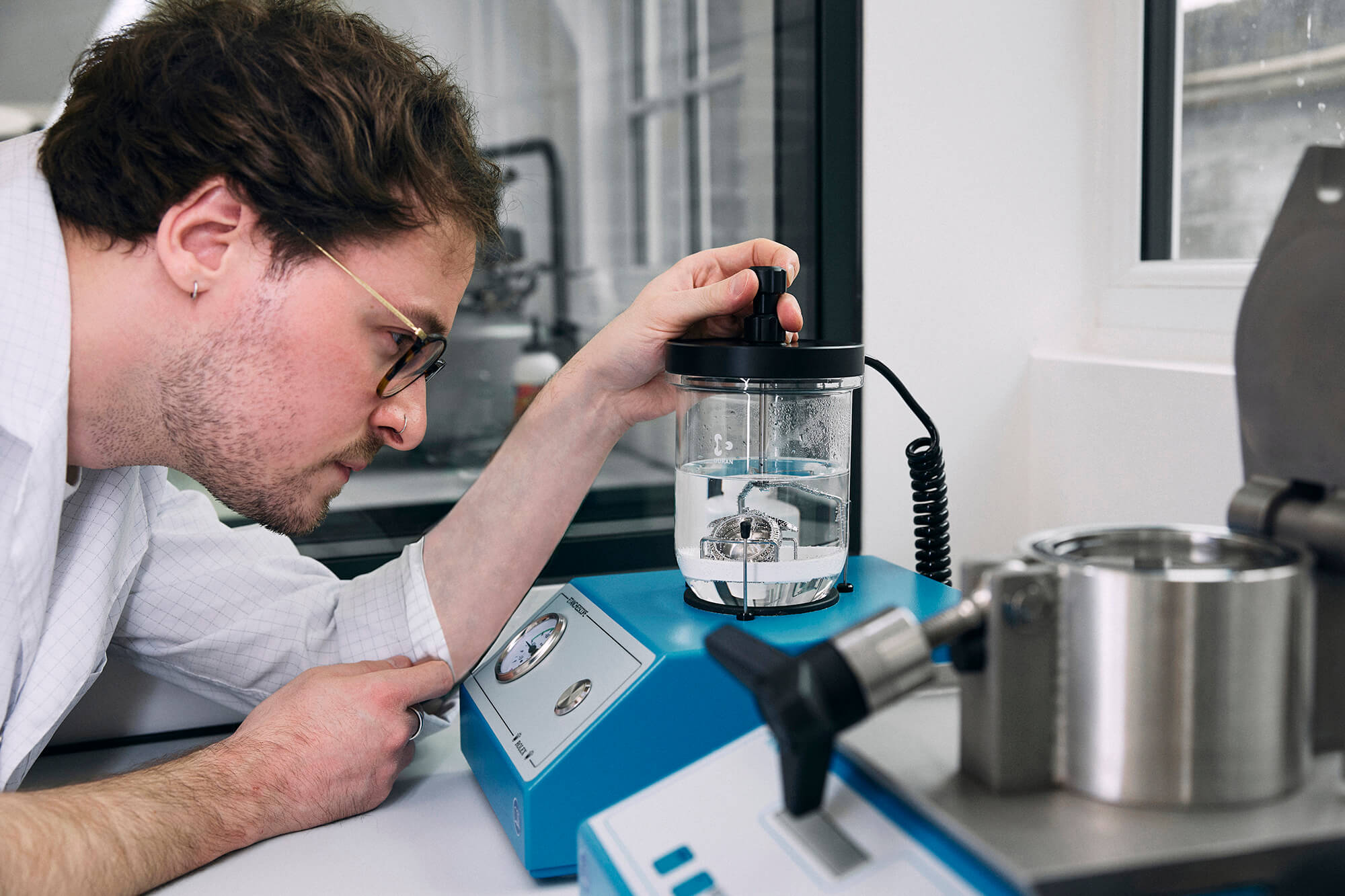
In our maintenance services, our watchmakers are trained to identify and replace all the water-resistant components in your watch, from gaskets and seals to brand new replacement crowns and chronograph pushers as well. This not only ensures the watch is water resistant on the day it leaves our workshop, but for years to come. The watch then undergoes strenuous testing to ensure that the watch meets its water resistance specifications. There a several methods to carry out testing, each designed to assess the integrity of the watch’s seals, gaskets and overall construction stability, with the two most common being the dry test, and the wet test – both of which we can carry out at Brufords.
